Olive oil is one of the cornerstones of Mediterranean gastronomic culture, celebrated not only for its unique aromatic profile but also for its extraordinary health benefits. However, not all oils are created equal: the market offers different types that vary significantly in production methods, chemical parameters, and organoleptic qualities. Understanding what differentiates extra virgin olive oil from ordinary olive oil and other olive oil derivatives is essential for making informed food choices and for fully enhancing this precious ingredient in our kitchens.
Production process and main differences
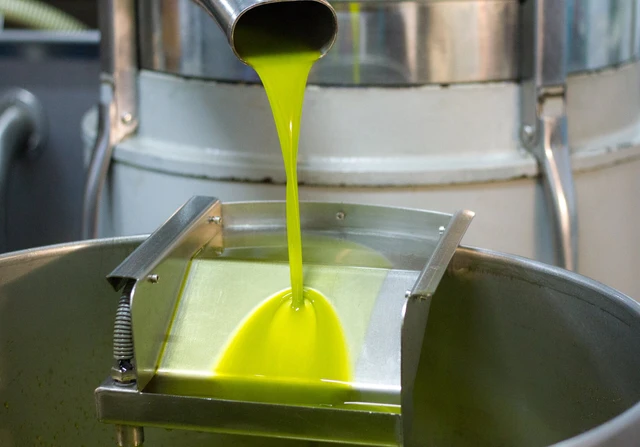
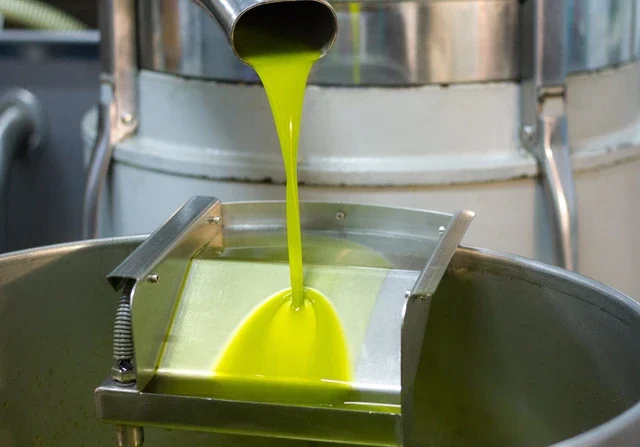
Olive oil, a central element of the Mediterranean diet with notable beneficial properties, is obtained by processing olives through washing, milling, centrifugation, and possibly filtering. Italy is the world's second largest producer. The main distinction between the different types lies in purity: Extra virgin olive oil represents the purest form of oil as it is the fruit of the first pressing, while common olive oil is obtained by mixing virgin oil and refined oils.
Classification based on acidity index
Different types of oil are classified primarily based on their acidity. Extra virgin olive oil is the most prized, characterized by intense aromas and an acidity level below 0.8%. Next comes virgin olive oil, with an acidity level below 2%, and ordinary olive oil (a blend of virgin and refined olive oil), with an acidity level below 1%. There are also non-edible variants, such as lampante oil (formerly used for lighting and with an acidity level above 2%), which can be made edible through refining, becoming rectified oil (without aroma or flavor), and oils derived from the residues of pressing with chemical solvents, namely crude pomace oil and olive-pomace oil.
Using extra virgin olive oil in cooking
Extra virgin olive oil is an extremely versatile ingredient. Its Raw use is the most recommended by nutritionists Because it preserves its flavor and beneficial properties, it's ideal for seasoning salads, bruschetta, grilled vegetables, creating emulsions (with vinegar, mustard, or herbs), sauces like pesto, or marinades for meat and fish. When cooking, it's best not to overheat it and instead use it at a low temperature, for example, as a topping for freshly drained pasta or as a creamy substitute for butter in risotto, adding creaminess and aroma.
Source:
www.agrodolce.it



 English
  Italian